







Handshake over a global distribution network of road, sea and air freight
Distribution Network

The network is the difference.

Established local distributors. Coordinated by Panoria. Connected to markets worldwide.

Panoria Global builds and manages distribution networks by working with reliable in-market distributors who have the infrastructure, people, customer relationships and channel expertise to serve their respective markets.

Our role goes beyond sourcing and shipment coordination. We identify suitable distribution partners, align them with market opportunities, coordinate product supply, manage market-development activities and work with distributor teams to build sustainable sales across retail, wholesale, HoReCa and institutional channels.

Local presence. Coordinated execution. International reach.

Partners connecting a distribution network of ports, trucks and warehouses
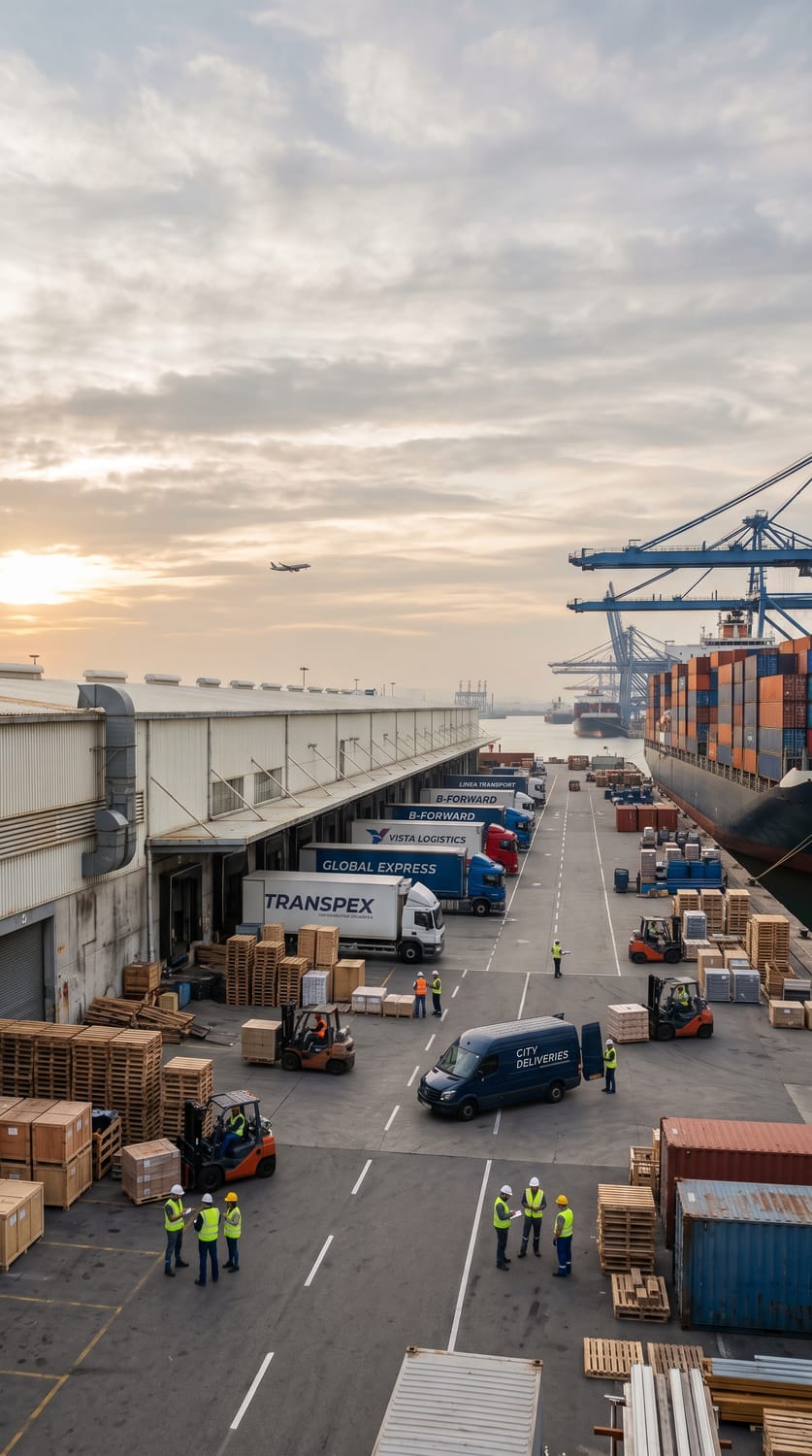
Distribution centre beside a container port with trucks loading for onward delivery
Global Distribution Overview

Sourcing brings the product to market. Distribution builds the business.

A successful international food business needs more than a product and a shipment. It requires the right local partners, access to customers, an active sales team, dependable supply and a coordinated market strategy.

Panoria Global brings these elements together through a distributor-led model. Our distribution partners contribute their local infrastructure, warehousing capabilities, sales personnel, customer relationships and market knowledge. Panoria coordinates the network, aligns commercial objectives and manages market-development activities to help turn product availability into sustained market presence.

The result is a coordinated distribution model that combines local execution with international sourcing, commercial planning and supply-chain management.

Explore Global Markets

Busy international food market with shoppers and stalls of produce
International Markets

Local expertise. International opportunities.

Panoria Global develops distribution opportunities across Asia, the Middle East, Europe, Africa and North America, with additional markets explored according to product suitability, customer demand and commercial opportunities.

Each market has its own requirements for product specifications, packaging, pricing, import documentation, sales channels and customer service. Our approach combines an understanding of these requirements with local distribution partners who know how to operate within their markets.

Rather than relying on a single central sales operation, Panoria works through established local businesses and coordinates their efforts around agreed market priorities, product portfolios and supply plans.

Our focus is to build practical routes to market—supported by local capabilities and managed through a coordinated international distribution strategy.

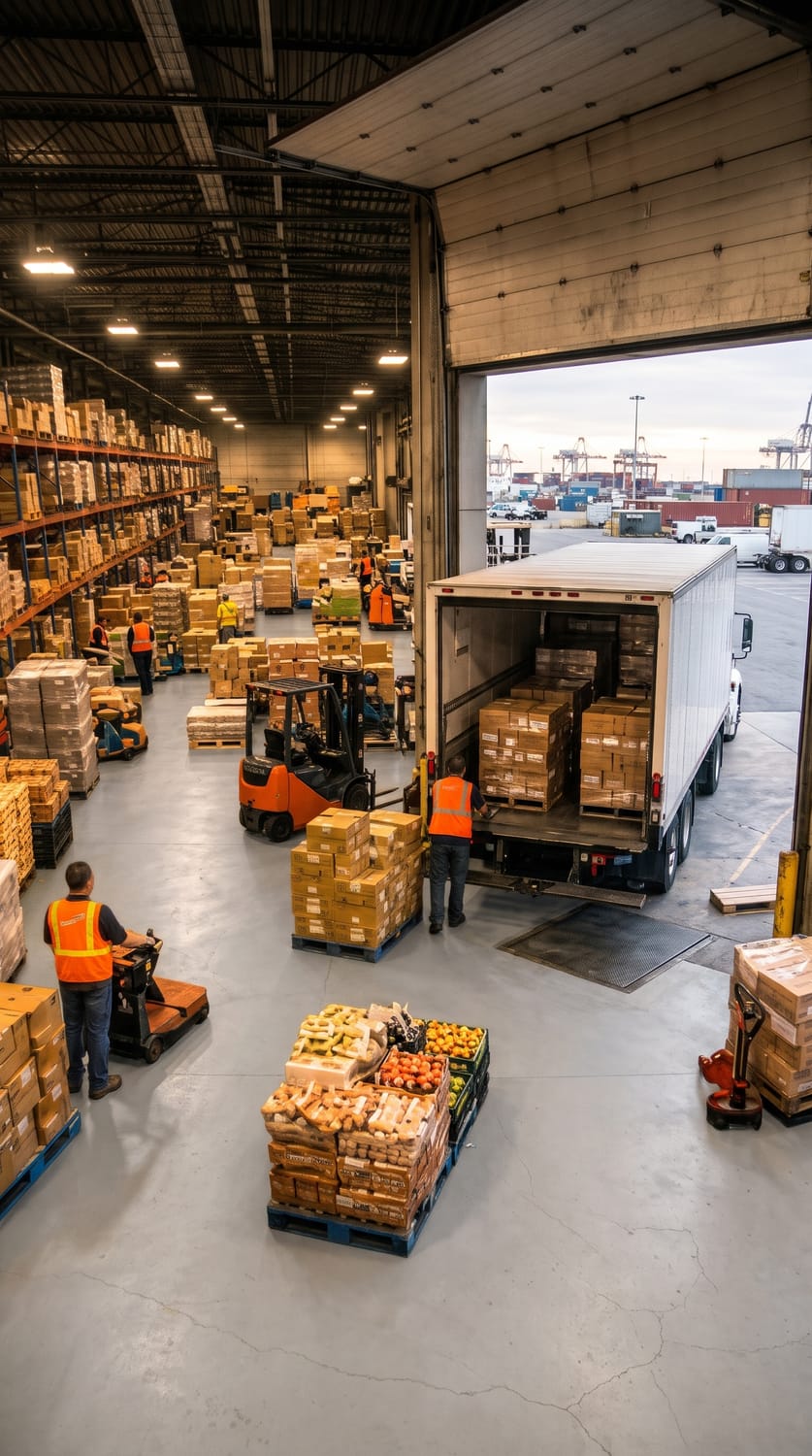
Distribution partner warehouse with stocked racking, a forklift and delivery vans
Distribution Partners

Established in-market capability. One coordinated network.

Panoria works with reliable distribution partners that have the people, infrastructure and commercial relationships required to serve their target channels. The objective is to build on existing local capabilities rather than duplicate them. Our partners may include:

  • Importers and in-market distributors — managing local importation, warehousing, customer servicing and distribution.
  • Wholesalers and cash-and-carry operators — extending product reach through established wholesale networks.
  • Food-service and HoReCa distributors — supplying hotels, restaurants, caterers and institutional kitchens.
  • Retail chains and specialist distributors — supporting access to supermarkets, independent retailers and relevant specialist channels.

Panoria’s role: coordinating the network and developing the market.

Panoria provides the central coordination that connects suppliers, distributor partners and market opportunities. Depending on the agreed arrangement, our role can include:

  • Identifying and onboarding suitable distribution partners.
  • Setting market priorities, product focus and commercial objectives.
  • Coordinating distributor teams and aligning sales activities.
  • Supporting product introductions, pricing discussions and market development.
  • Monitoring orders, sales progress, market feedback and replenishment requirements.
  • Coordinating supply planning and communication between suppliers and distributors.
  • Identifying opportunities to expand distribution into additional channels and territories.

The model combines local execution by distributor partners with central market management by Panoria Global. Responsibilities, reporting and commercial targets are agreed with each partner.

Container port, cargo ship, aircraft and trucks connected in one supply chain
Logistics & Supply Chain

Supply planned around the market.

Distribution works best when procurement, logistics and local demand are coordinated. Panoria connects product sourcing and order planning with the practical requirements of its distribution partners and their customers.

Depending on the product and agreed supply arrangement, coordination can include freight planning, shipment consolidation, temperature requirements, shipment scheduling, delivery terms and communication with logistics providers.

Ambient products

Dry-container and other suitable shipment arrangements for shelf-stable foods, staples and ambient grocery products.

Frozen and chilled products

Appropriate temperature-controlled transport and handling arrangements, based on product specifications and the requirements of the shipment.

Consolidated and mixed-category supply

Coordination of suitable product categories and shipment quantities to support distributor requirements and improve supply-planning efficiency where commercially practical.

Our objective is to align supply with the market’s requirements—not simply to move products from origin to destination.

Trade coordinators reviewing shipment and customs documentation
Import & Export Coordination

Documentation and trade requirements considered from the start.

International distribution depends on accurate documentation, suitable shipping arrangements and compliance with the applicable requirements of the destination market.

Panoria coordinates the relevant parties across the supply chain, including suppliers, exporters, freight forwarders, clearing agents and in-market distribution partners. The specific documents, approvals, certificates and responsibilities depend on the product, origin, destination and agreed trading terms. Our coordination may cover:

  • Commercial invoices, packing lists and shipment documentation.
  • Export and import documentation coordination.
  • Identification and coordination of applicable product certificates and regulatory requirements.
  • Freight booking, shipment consolidation and dispatch scheduling.
  • Communication with freight forwarders and customs-clearing partners.
  • Coordination of shipment milestones and delivery arrangements.

Documentation and regulatory requirements are confirmed for the relevant product and destination before shipment, with specialist providers and responsible parties involved where required.

Distribution by Channel

Different channels. One coordinated market strategy.

Retailers, wholesalers, food-service operators and private-label customers have different purchasing patterns, packaging needs and service expectations. Panoria works with its distribution partners to align product offerings, sales activity and supply plans with the needs of each channel.

Chefs preparing ingredients in a commercial kitchen

HoReCa and food-service distribution

Supporting distribution partners serving hotels, restaurants, catering businesses and institutional kitchens. The focus can include suitable food-service formats, repeat-order planning, product consistency and coordination around customer demand.

  • Food-service and bulk formats
  • Distributor-led customer development
  • Repeat-order and replenishment coordination
Explore HoReCa Solutions
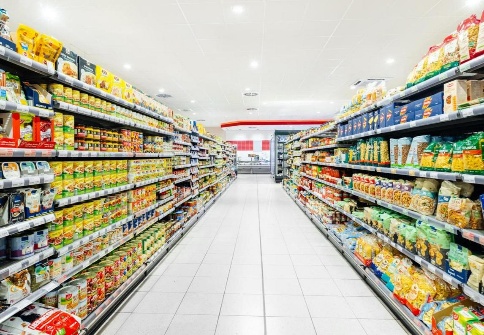
Supermarket aisle stocked with packaged food

Retail and wholesale distribution

Working with distributors and wholesalers serving supermarkets, independent stores, ethnic grocery outlets, cash-and-carry businesses and other relevant retail channels.

  • Retail and wholesale product portfolios
  • Suitable packaging and labelling coordination
  • Sales development and distribution expansion
  • Replenishment and supply planning
Explore Retail Solutions
Own-brand packaging development

Private-label distribution

Supporting the development and distribution of customer-owned brands through coordinated sourcing, product development, packaging discussions and supply arrangements. Local distribution partners can provide access to relevant channels, subject to the agreed commercial model.

  • Customer-owned brands
  • Product and packaging coordination
  • Distributor-supported market entry
  • Planned contract and repeat supply
Explore Private Label
End-to-End Distribution Management

From procurement at origin to market development.

Panoria coordinates the supply and distribution process around the capabilities of local partners and the requirements of each market. The precise scope varies by agreement, but the model can include five connected stages.

Step 01

Sourcing & procurement

Identify suitable products and suppliers, align specifications and commercial terms, and coordinate purchasing against agreed requirements.

Step 02

Supply & shipment coordination

Coordinate order progress, packaging requirements, shipment readiness, freight arrangements and applicable documentation.

Step 03

Local distribution readiness

Work with the in-market distributor to align product availability, warehousing and handling requirements, channel priorities and sales preparations.

Step 04

Market & distributor management

Coordinate distributor teams around agreed products, customer segments and sales priorities. Review market feedback, distribution opportunities, order progress and replenishment needs.

Step 05

Market expansion & ongoing supply

Identify opportunities to broaden product distribution, develop additional channels and territories, and align future supply with market requirements and commercial performance.

A coordinated network, with clearly defined responsibilities. Local partners provide market presence and execution; Panoria manages the wider coordination and market-development process within the agreed scope.
Why the Panoria Model?

Local strength. Central coordination. Shared growth.

Established local infrastructure

Work through distribution partners with relevant warehousing, personnel, customer relationships and market knowledge.

Coordinated distributor teams

Align local sales activities with agreed product priorities, commercial objectives and market-development plans.

Market-focused execution

Adapt product selection, packaging, pricing discussions and channel strategy to the requirements of each destination.

Connected supply chain

Coordinate sourcing, procurement, shipment planning and replenishment around the needs of distributors and customers.

Opportunities to scale

Develop additional channels, customer segments and territories as the product portfolio and commercial relationships grow.

Need distribution in a specific market?

Tell us where you want to grow.

Whether you are a food producer looking for market access, a brand seeking distribution, or a distributor exploring new product ranges, Panoria Global can assess the opportunity and work towards a suitable distribution arrangement. Share your target country, product categories, intended sales channels, expected volumes and market objectives.

Talk to Our Team